The short answer
A successful migration starts with your availability: who should receive what calls during and outside opening hours? The technical configuration follows, numbers, devices and the switching plan.
Map your current calls
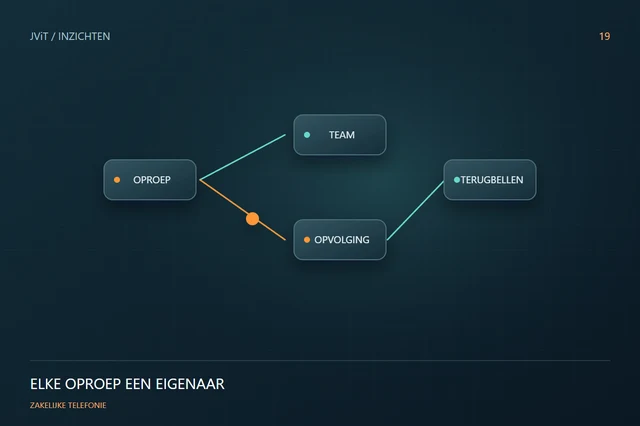
Note the telephone numbers, departments, opening hours and exceptions. Ask employees where conversations are stalled today. A phone system can still lose customers when the menu is unclear or nobody owns missed calls.
Design the call routes together with the team
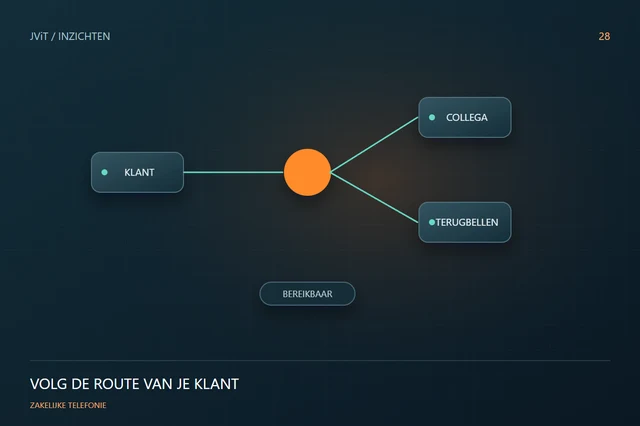
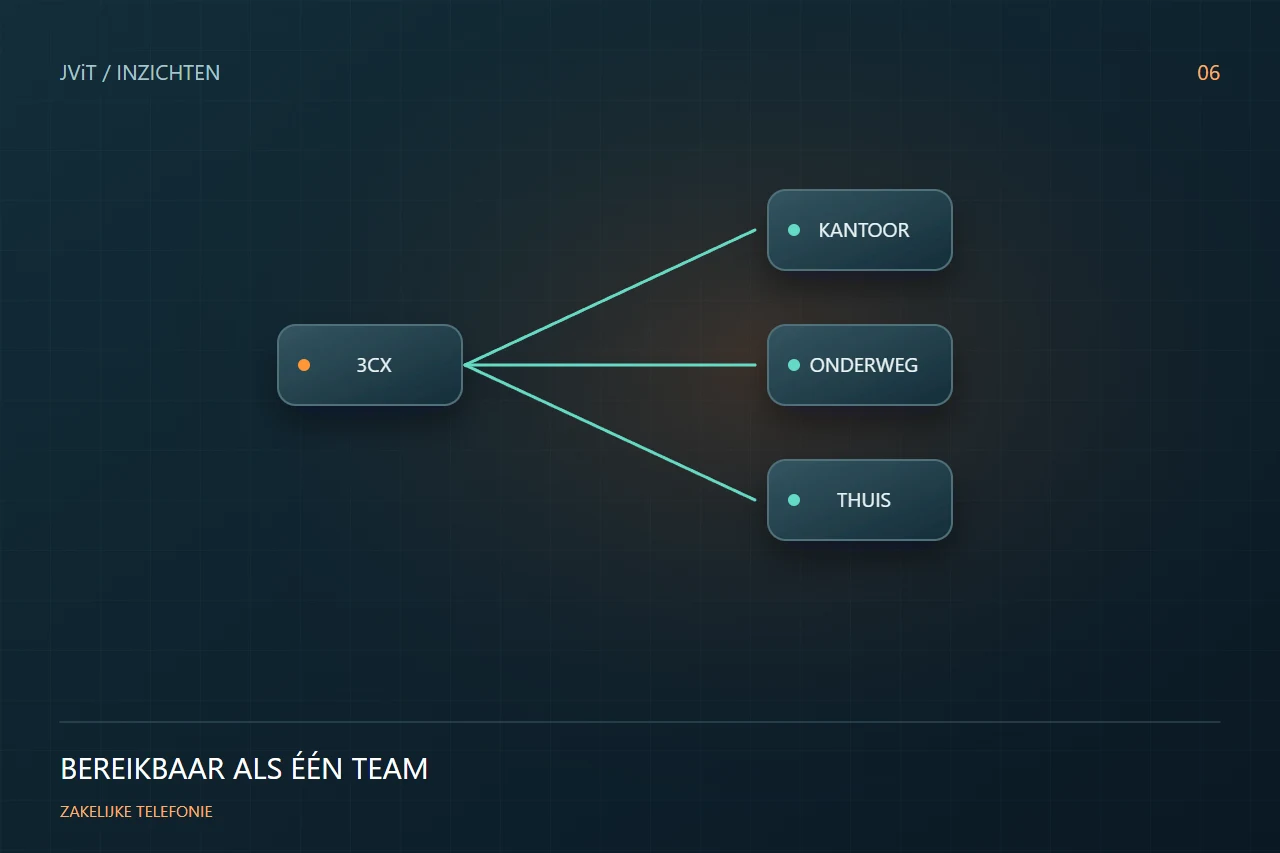
Discuss who receives calls, what happens when someone is busy and how absences are handled. 3CX offers a business telephony platform; the suitable options depend on the selected configuration. First make call routes understandable on paper and then test them with real scenarios.
Check devices and connections
Existing devices are not automatically suitable for any configuration. Check compatibility, the network and availability for employees at other locations. Also include account security, updates and management rights.
Plan the changeover and aftercare
Number transfer requires coordination with the provider. Record when the switch takes place, how you test and who is reachable in case of a problem. JViT installs and configures 3CX and helps the team on their way. New AI telephony can be investigated later in addition to existing availability.
Discuss this with your team
- Are all the numbers and call routes known?
- What happens when you're occupied or absent?
- Are devices and networks suitable?
- Who guides conversion and aftercare?